GP Services

LASIK

About this treatment

LASIK is the most commonly performed laser eye surgery in the UK and remains the most widely performed form of laser vision correction worldwide.

With over 30 years of clinical evidence, extensive safety data, and consistently outstanding outcomes, LASIK remains a trusted, established procedure for correcting common vision problems. It can treat myopia (short-sightedness), hyperopia (long-sightedness) and astigmatism (where the cornea is more oval-shaped, like a rugby ball, rather than round like a football).

Treatment Time

10 Minutes

Anaesthetic

Numbing Drops

Downtime

None

Price

£2150 per eye

No Waiting Times No Waiting Times

What is LASIK?

LASIK surgery works by gently reshaping the cornea — the clear front surface of the eye — so that light can focus more accurately on the retina at the back of the eye, helping to improve vision.

During LASIK surgery:

  • A very thin flap is created in the cornea using a femtosecond laser
  • The underlying corneal tissue is precisely reshaped using an excimer laser
  • The flap is carefully repositioned, where it naturally adheres without stitches

The procedure usually takes only a few minutes per eye and is performed using local anaesthetic eye drops to keep you comfortable.

LASIK is one of the most widely performed refractive procedures. More than 40 million procedures have been performed since its introduction in 1990, contributing to its extensive clinical track record.

At Laser Vision, we perform LASIK using some of the most advanced laser technology available, including the Schwind Amaris 1050RS excimer laser and the Ziemer Z8 femtosecond laser. This combination allows us to deliver treatment that is exceptionally precise, customised, and designed to achieve the safest and best visual outcome for each patient.


Frequently Asked Questions

1. What vision problems can LASIK correct?

LASIK is commonly used to treat:

  • Short-sightedness (myopia)

  • Long-sightedness (hyperopia)

  • Astigmatism

Suitability depends on your prescription, corneal thickness and overall eye health.

2. How does LASIK work?

A thin flap is created on the surface of the cornea using a femtosecond laser. This flap is gently lifted, and an excimer laser reshapes the underlying cornea to correct vision. The flap is then repositioned and allowed to adhere naturally without sutures.

3. How long does LASIK take?

The procedure typically takes around 10–15 minutes for both eyes, with the laser itself active for only a few seconds per eye.

4. Is LASIK painful?

LASIK is performed using numbing eye drops, so the procedure itself is not painful. Some patients experience mild irritation or watering for a few hours afterwards, which usually settles quickly.

5. What is recovery like after LASIK?

Most people notice significant vision improvement within 24 hours. Vision continues to stabilise over the following days to weeks. Many patients return to work and normal activities within 1–2 days.

6. Can I drive after LASIK?

Many patients are legal to drive the next day, provided vision meets DVLA standards at the post-operative check.

7. Will I still need glasses after LASIK?

Many patients achieve excellent distance vision without glasses. However, normal age-related reading changes (presbyopia) can still occur later in life, which may mean reading glasses are needed in the future.

8. How long do results last?

LASIK provides long-term correction of your existing prescription. While the treated correction is permanent, natural changes in eyesight can still occur over time.

9. Am I suitable for LASIK?

You may be suitable if:

  • You are over 18 years old

  • Your prescription has been stable

  • Your corneas are healthy and of adequate thickness

  • You have no significant eye disease

A detailed consultation is required to confirm suitability.

10. What are the risks of LASIK?

LASIK has a strong safety record, but as with any surgery, risks exist. These can include:

  • Temporary dry eyes

  • Glare or haloes (usually at night)

  • Under- or over-correction

Your surgeon will fully discuss benefits and risks during your consultation.

11. Are both eyes treated on the same day?

Yes, in most cases both eyes are treated on the same day, unless clinical reasons suggest otherwise.

12. What's included in a LASIK package?

Our focus is on achieving complete satisfaction with your eye conditions through your LASIK surgery. All our patients are treated until discharge as part of the inclusive care plan.

Packages typically include:

  • Pre-operative assessment

  • LASIK treatment

  • Post-operative care and follow-ups for 24 months

  • Enhancement treatment if clinically required

Related Videos

What are the options for Laser Surgery?

Mike Tappin

0:56

What are the options for Laser Surgery?

Mike Tappin

0:56

Our Team

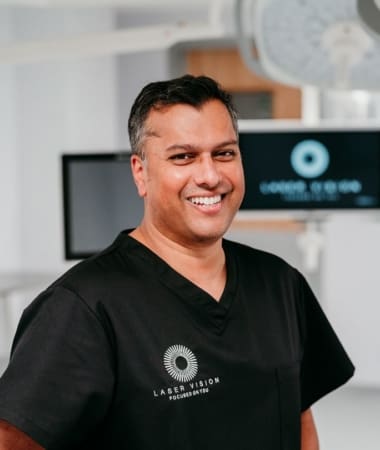
Mr Rakesh Jayaswal

MB BS BSc(Hons) FRCOphth

Mr Rakesh Jayaswal is a highly respected Consultant Ophthalmic Surgeon specialising in corneal disease, cataract surgery, and refractive laser and lens procedures.

Mr Mike Tappin

MB BS BSc(Hons) FRCOphth

Mr Tappin is recognised for pioneering advanced surgical techniques, including being the first surgeon in the UK to perform endothelial cell transplantation (DMEK) in 2005.

...

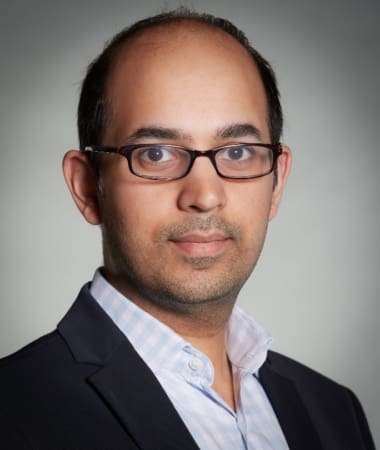
Mr Anish Shah

MRCOphth, FEBOphth

Benefits of LASIK

LASIK is a popular vision correction procedure that can significantly reduce or eliminate the need for glasses or contact lenses. By reshaping the cornea with a laser, it improves how light focuses on the retina, leading to clearer vision. Many people notice improved eyesight within a day or two, and the procedure itself is quick and minimally uncomfortable. LASIK can also enhance daily convenience, making activities like sports, travel, and swimming easier without relying on corrective lenses. For many patients, it offers long-term vision improvement and greater confidence in everyday life, contributing to an overall better quality of life and visual freedom.

Why you can trust us

How we ensure your safety and comfort.

Our Pillars of Care.