
LASEK (Laser Assisted Epithelial Keratomileusis) is a common alternative to LASIK surgery and can be used to treat all the common refractive errors including myopia (short sight), hyperopia (long sight) and astigmatism. It remains one of the safest forms of laser eye surgery.
GP Services
LASEK / TransPRK

About this treatment
 No Waiting Times
What is LASEK?
The principle of LASEK is fundamentally the same as LASIK in the respect that it involves the use of a specialist laser to precisely reshape the curvature of the cornea (the dome-shaped, clear window at the front of the eye).
However, the procedure differs from LASIK by gently moving the surface epithelial cells aside with an alcohol based solution as opposed to forming a flap.
Normally, images are clearly focussed on the retina at the back of the eye because the light rays are bent correctly to focus on the retinal surface. In myopia, hyperopia and astigmatism, light entering the eye is bent incorrectly and focused away from the retina to cause blurred vision. Spectacles and contact lenses bend the light correctly to provide clear vision.
Reshaping the profile of the cornea with laser surgery ensures that light is bent correctly onto the retina without the burden of spectacles or contact lenses.
Our specialist, independent NHS Consultant Eye Surgeons are dual-trained to the highest standard in cornea and refractive surgery. LASIK is considered to be one of the safest forms of refractive surgery and it is estimated that over 32 million procedures have been performed worldwide.
LASEK is becoming a popular method of vision correction for people wanting to rid themselves of glasses or contact lens, and is frequently recommended to patients who visit our clinics in Guildford, London, Portsmouth, Sheffield, and Woking.
Frequently Asked Questions
1. What happens during the LASEK consultation?
Surgery at LaserVision is led by your personally assigned doctor. Our clinical team will perform a thorough evaluation of your suitability for vision correction surgery. This will include a comprehensive eye examination looking for signs of dry eye, large pupils, high eye pressure and other ocular-health conditions. Detailed analysis of your cornea will allow your doctor to assess whether you can undergo the procedure safely and evaluate which areas of your cornea need reshaping. They will calculate and determine the precise amount of tissue to remove from your cornea
Wearing contact lenses before your consultation can influence our measurements. You will be guided by a patient coordinator if we require you to pause contact lens wear for a week or two in order to examine the eyes in their natural state.
2. What does the LASEK laser eye surgery package include?
Our focus is to achieve complete satisfaction. All our patients are treated until discharge as part of the inclusive care plan. This includes 2 years of follow up and retreatments after your initial treatment. Although you may be discharged, all our patients remain under our care and positively encourage patients to get in touch should problems arise.
Our success has been dependent on personalised patient care and we believe this is paramount. All patients will see their surgeon at each visit as they are personally responsible for your care so you are safe in the knowledge that you are receiving the best possible standard of care.
3. What happens during lasek laser surgery?
Your procedure will be performed by the same consultant ophthalmologist who assessed your eyes at the initial consultation. A team of optometrists and nurses will also be present to assist and provide any support that you require.
LASEK surgery is usually completed in 10 minutes or less. During the procedure, you lie on your back in a reclining chair. You may be given medicine to help you relax. After numbing drops are placed in your eye, an instrument is gently positioned to hold your eyelids open. A special well is placed on your eye for the solution to stay in place for 30 seconds. The solution separates the surface epithelial cells from the stroma, and allows direct access to the structural collagen of the cornea to be reshaped with the Schwind Amaris 1050RS laser.
With each pulse of the laser beam, a tiny amount of corneal tissue is removed. After reshaping the cornea, the surface cells are gently positioned back into place. A bandage contact lens is then placed on the eye to protect the surface during the healing phase. The vast majority of patients who need LASEK surgery in both eyes will have both eyes treated on the same day.
4. Will I feel anything during surgery?
LASEK surgery is incredibly comfortable. Most patients only report feeling some slight pressure in the eye whilst it is being performed.
5. Is the eye painful afterwards?
As LASEK surgery involves treating the surface of the eye, there may be some discomfort in the first 24-48 hours. This is entirely normal and any sensitivity can be managed with numbing drops and oral analgesia.
6. What is LASEK recovery like?
Patients undergoing LASEK procedures often find that the LASEK recovery process is slower than with LASIK and can result in more discomfort. The eyes may feel irritated during the first few days afterwards. Also, with LASEK compared with LASIK, it often takes longer to recover good vision; perhaps between four and seven days.
7. What is involved in LASEK aftercare?
For Lasek aftercare, you will be given a set of eye drops that vastly reduce the risk of infection and inflammation. These generally last for the first 4 weeks but some patients may require lubrication drops for the first few months. Although you will be able to see immediately after surgery, your vision will improve over time. Whilst you should be legal to drive the next day, it may take between 4 and 12 weeks after your surgery before your eye heals and your vision stabilises. Your doctor will ensure that you are progressing normally at a series of planned follow-up appointments.
It might be a few weeks before you can start to use cosmetics around your eyes again. You might also have to wait several weeks before resuming strenuous contact sports or swimming. Although complications are rare, it should not be forgotten that laser eye surgery is a surgical procedure. No procedure is risk-free but steps are taken throughout the process to reduce these risks to a minimum.
8. What are the risks of LASEK surgery?
LASEK eye surgery is considered to be one of the safest procedures available. Comprehensive screening of our patients means that surgery can only be performed on eyes which have been deemed suitable. The experience of our clinical team minimises the small associated risks of laser surgery which include dry eyes, haloes, glare and under or over-correction.
Your doctor will ensure that you are fully informed of all potential risks prior to treatment. However, in the unlikely event that you experience a complication, our team of consultant ophthalmologists are dual-trained in cornea and refractive surgery to ensure that you receive the most effective care.
Related Videos
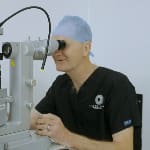
Laser Eye Surgery - What are the options?
Mike Tappin
0:56
Our LASEK Specialists
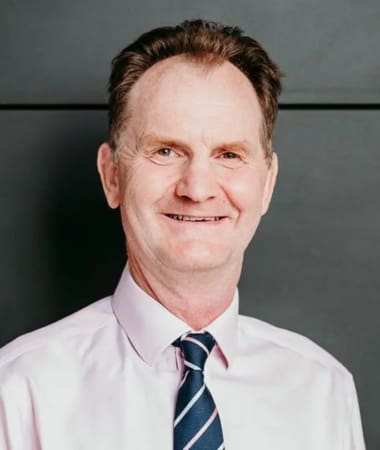
Mr Mike Tappin
MB BS BSc(Hons) FRCOphth
Mr Tappin is recognised for pioneering advanced surgical techniques, including being the first surgeon in the UK to perform endothelial cell transplantation (DMEK) in 2005.
...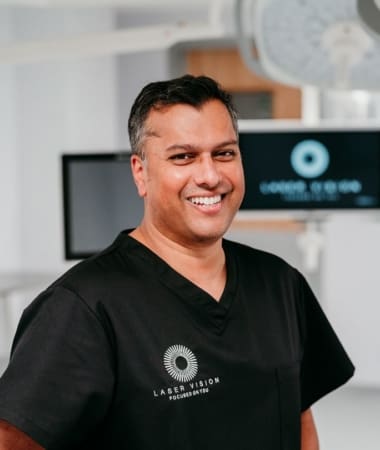
Mr Rakesh Jayaswal
MB BS BSc(Hons) FRCOphth
Mr Rakesh Jayaswal is a highly respected Consultant Ophthalmic Surgeon specialising in corneal disease, cataract surgery, and refractive laser and lens procedures.
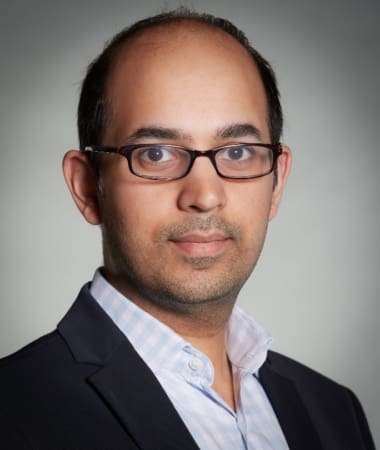
Mr Anish Shah
MRCOphth, FEBOphth
Benefits of LASEK
One major benefit is that it can correct common vision problems such as myopia, hyperopia, and astigmatism. Unlike some other procedures, LASEK is suitable for people with thinner corneas. It also reduces the need for glasses or contact lenses. The procedure is relatively quick, and many patients experience long-term improvements in vision, making everyday activities easier and more convenient.
Other Related Services



Why you can trust us
How we ensure your safety and comfort.
Our Pillars of Care.

A modern and welcoming environment
We are proud to deliver a premium patient experience at our state-of-the-art facilities in Hampshire. At Prema, our patients can expect exceptional personal and medical care in a warm and relaxing environment.

Caring and expert staff
Without exception, our patients come first. We take the time to ask the right questions and listen to our patients individual needs, tailoring the perfect patient experience. With compassion and understanding, our patients can be assured that we have their best interests in mind.

Treatment in good time
We believe in a collaborative experience for our patients. We work together to deliver exceptional care in a timely fashion. We also understand that sometimes there is a need to be seen swiftly; Prema has the resources to deliver efficient care, effectively.
A modern and welcoming environment
We are proud to deliver a premium patient experience at our state-of-the-art facilities in Hampshire. At Prema, our patients can expect exceptional personal and medical care in a warm and relaxing environment.
Caring and expert staff
Without exception, our patients come first. We take the time to ask the right questions and listen to our patients individual needs, tailoring the perfect patient experience. With compassion and understanding, our patients can be assured that we have their best interests in mind.
Treatment in good time
We believe in a collaborative experience for our patients. We work together to deliver exceptional care in a timely fashion. We also understand that sometimes there is a need to be seen swiftly; Prema has the resources to deliver efficient care, effectively.