Aesthetics

Hyperhidrosis Treatment

Hyperhidrosis Treatment

About this treatment

Botulinum toxin, the active ingredient in these injections, temporarily blocks nerve signals in targeted areas, inhibiting sweat gland activity.

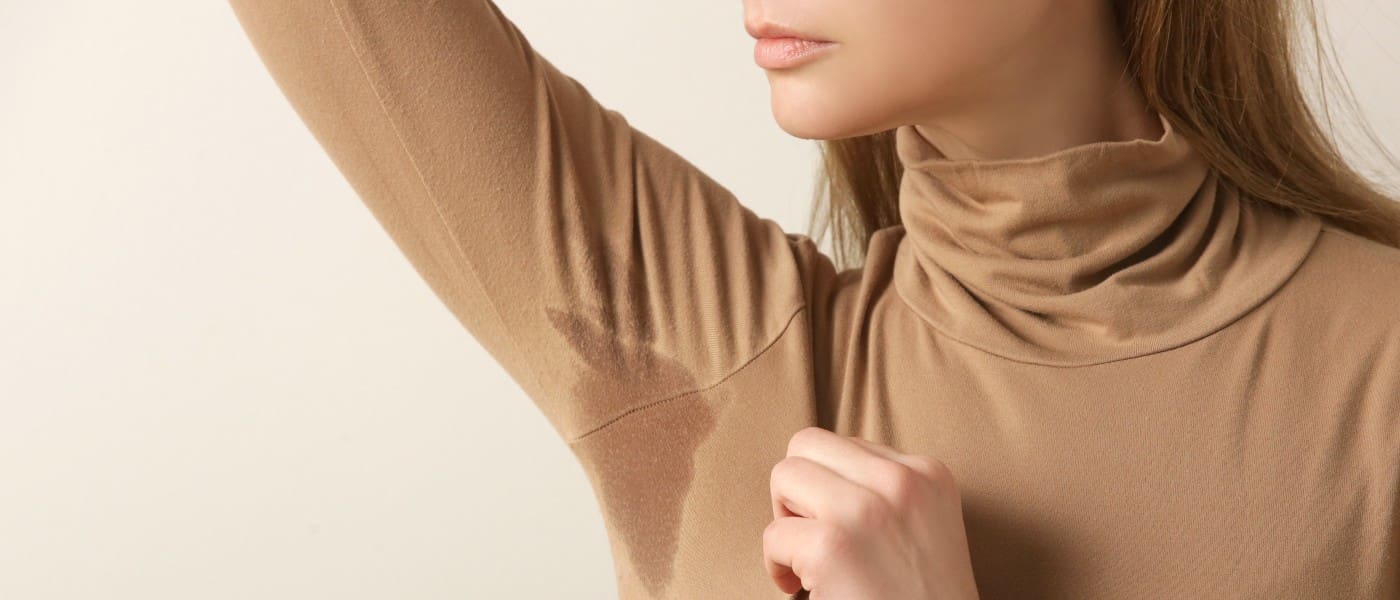
Administering muscle relaxing injections as an excessive sweating treatment involves injecting small amounts of the toxin into the affected areas, often the underarms, palms, or soles of the feet. The procedure is relatively quick and minimally invasive, with noticeable results within a few days.
Treatment Time

30 Minutes

Anaesthetic

Numbing Cream

Downtime

None

Price

£400

No Waiting Times No Waiting Times

In More Detail

By temporarily paralysing the muscles and blocking the receptors responsible for activating sweat glands, these injections can significantly reduce perspiration, providing relief for those struggling with hyperhidrosis.

While the effects are not permanent, muscle relaxing injections for excessive sweating typically last for several months, after which the procedure may need to be repeated for sustained relief. This non-surgical approach has gained popularity due to its efficacy and low risk of side effects

Frequently Asked Questions

1. What is Botox for sweating, and how does it work?

Botox for sweating, also known as hyperhidrosis treatment, involves injecting botulinum toxin into the sweat glands to temporarily block nerve signals that stimulate sweat production. By inhibiting these signals, Botox helps reduce excessive sweating in the treated areas.

2. Which areas of the body can be treated with Botox for sweating?

Botox is commonly used to treat excessive sweating in specific areas such as the underarms, palms, and soles of the feet. These areas are prone to overactive sweat glands, and Botox injections can provide relief by minimising sweat production.

3. How long does the effect of Botox for sweating last?

The effectiveness of Botox as an excessive sweating treatment varies from person to person, but on average, results can last anywhere from 3 to 9 months. After this period, the nerve signals gradually start to regenerate, and patients may need to undergo additional treatments to maintain the desired level of sweat reduction.

4. Are there any potential side effects or risks associated with Botox for sweating?

While Botox injections for sweating are generally considered safe, like any medical procedure, there are potential side effects. These can include temporary bruising, swelling, or redness at the injection site. In rare cases, patients may experience muscle weakness but all potential side effects will be discussed at consultation prior to treatment.

5. Who is a suitable candidate for Botox treatment for sweating?

Individuals experiencing significant distress or interference with daily activities due to excessive sweating may be suitable candidates for Botox treatment. However, it is crucial to consult with a qualified healthcare professional like our practitioners at Prema in Hampshire, to determine eligibility, discuss potential risks, and establish realistic expectations for the outcome of the procedure. Botox for sweating may not be recommended for pregnant or breastfeeding women or individuals with certain medical conditions.

Conditions Treated

The most commonly treated area is the underarms, where results are reliable and long lasting. It is also used in the palms of the hands to improve grip and comfort, and in the soles of the feet to reduce moisture and odour. Botox can help manage facial sweating on the forehead, hairline, and scalp, and may be used in other localised areas where sweating causes significant daily discomfort for people whose symptoms do not respond to topical treatments alone.

Why you can trust us

How we ensure your safety and comfort.

Our Pillars of Care.